


Ever wondered why your mate’s car always looks showroom-fresh while yours seems to attract every speck of dust in the neighbourhood? Have you spent hours washing and polishing, only to end up with swirl marks and a finish that’s far from impressive? Perhaps you’ve invested in quality products but aren’t quite sure how to use them properly?
You’re definitely not alone. The difference between amateur results and professional finishes often comes down to technique rather than expensive equipment. Understanding professional car detailing supplies technique scan transform your weekend wash into something truly spectacular. Whether you’re a complete beginner or someone looking to level up their skills, mastering these methods will save you time, money, and frustration.
In this guide, we’ll explore everything from building your essential toolkit to tackling stubborn stains and protecting your paintwork from the harsh Australian sun. You’ll discover how to care for new car exterior surfaces, learn about dust repellent products that actually work, and pick up step-by-step workflows used by the pros. By the end, you’ll have the knowledge to achieve results that’ll make your neighbours ask for your secrets.
Car Detailing Essentials: Building Your Arsenal
Must-Have Car Detailing Tools for Beginners
Starting your detailing journey doesn’t require emptying your wallet. The key is investing in quality basics that’ll serve you well. Every beginner needs a good set of microfibre cloths—at least a dozen in different colours for various tasks. A reliable wash mitt, two buckets with grit guards, and pH-neutral car shampoo form the foundation of any decent setup.
Car detailing tools for beginners should also include a selection of soft brushes for wheels and trim, a quality drying towel, and a spray bottle for quick detailer. Don’t overlook applicator pads for wax and sealants—cheap ones can leave fibres behind and ruin your hard work.
Upgrading to Professional-Grade Supplies
Once you’ve mastered the basics, upgrading makes a real difference. Consider investing in a dual-action polisher, which is far more forgiving than rotary machines for beginners. Quality clay bars, cutting compounds, and finishing polishes will handle paint correction tasks. A pressure washer with an adjustable nozzle gives you better control during the wash stage.
Car detailing essentials at the professional level also include foam cannons for pre-washing, dedicated wheel cleaners, and ceramic coating kits. These investments pay off through better results and longer-lasting protection.
How to Care for New Car Exterior: A Complete Guide
Why Detailing a New Car Requires Special Attention
Detailing a new car isn’t the same as maintaining an older vehicle. Factory paint is often softer during the first few months, making it more susceptible to scratching and swirl marks. Plus, that dealer-applied protectant might look shiny but often does more harm than good by attracting dirt and preventing proper protection products from bonding.
Many new car owners make the mistake of thinking their vehicle doesn’t need attention. In reality, early care sets the foundation for years of pristine paintwork.
The First Wash: Protecting Your Factory Finish
How to care for new car exterior surfaces starts with understanding proper wash technique. Always begin by rinsing thoroughly to remove loose debris. Use the two-bucket method—one for soapy water, one for rinsing your mitt—to prevent scratching.
Work from top to bottom in straight lines rather than circles. This approach ensures any minor scratches follow the car’s lines rather than creating obvious swirl patterns. Dry with a quality microfibre drying towel using gentle patting motions.
Common Mistakes That Damage New Paintwork
Automatic car washes are your paint’s worst enemy. Those spinning brushes hold grit from thousands of previous vehicles and essentially sandpaper your clear coat. Similarly, using dish soap strips protective waxes and can damage seals.
Never wash your car in direct sunlight—products dry too quickly and leave water spots. Also, avoid wiping down dusty panels with a dry cloth, as this drags particles across the surface like sandpaper.
Advanced Paint Correction and Protection Techniques
Clay Bar Treatment: When and How to Use It
Clay bar treatment removes bonded contaminants that washing can’t shift—think industrial fallout, tree sap residue, and overspray. Run your hand over clean paintwork; if it feels rough or gritty, it’s time to clay.
Spray clay lubricant generously and glide the clay in straight lines with light pressure. Fold and knead the clay regularly to expose fresh surfaces. This process creates an incredibly smooth foundation for polishing and protection products.
Machine Polishing vs Hand Polishing: Which Is Right for You?
Hand polishing works fine for applying wax or light cleaning, but it simply can’t match machine results for paint correction. A dual-action polisher removes swirl marks, light scratches, and oxidation that hand polishing barely touches.
Start with the least aggressive pad and compound combination. Multiple lighter passes achieve better results than one heavy-handed attempt. Always work in small sections and keep the machine moving to prevent heat buildup.
Applying Ceramic Coatings Like a Professional
Ceramic coatings offer years of protection compared to traditional waxes. Preparation is everything—the paint must be thoroughly decontaminated, polished, and free of oils before application.
Apply in thin, even layers using the supplied applicator. Work panel by panel, allowing the coating to flash (become slightly hazy) before buffing away residue. Cure times vary, so keep your car dry for the recommended period—usually 24-48 hours.
Using Dust Repellent for Car Exterior: Tips and Tricks
How Dust Repellent Products Work
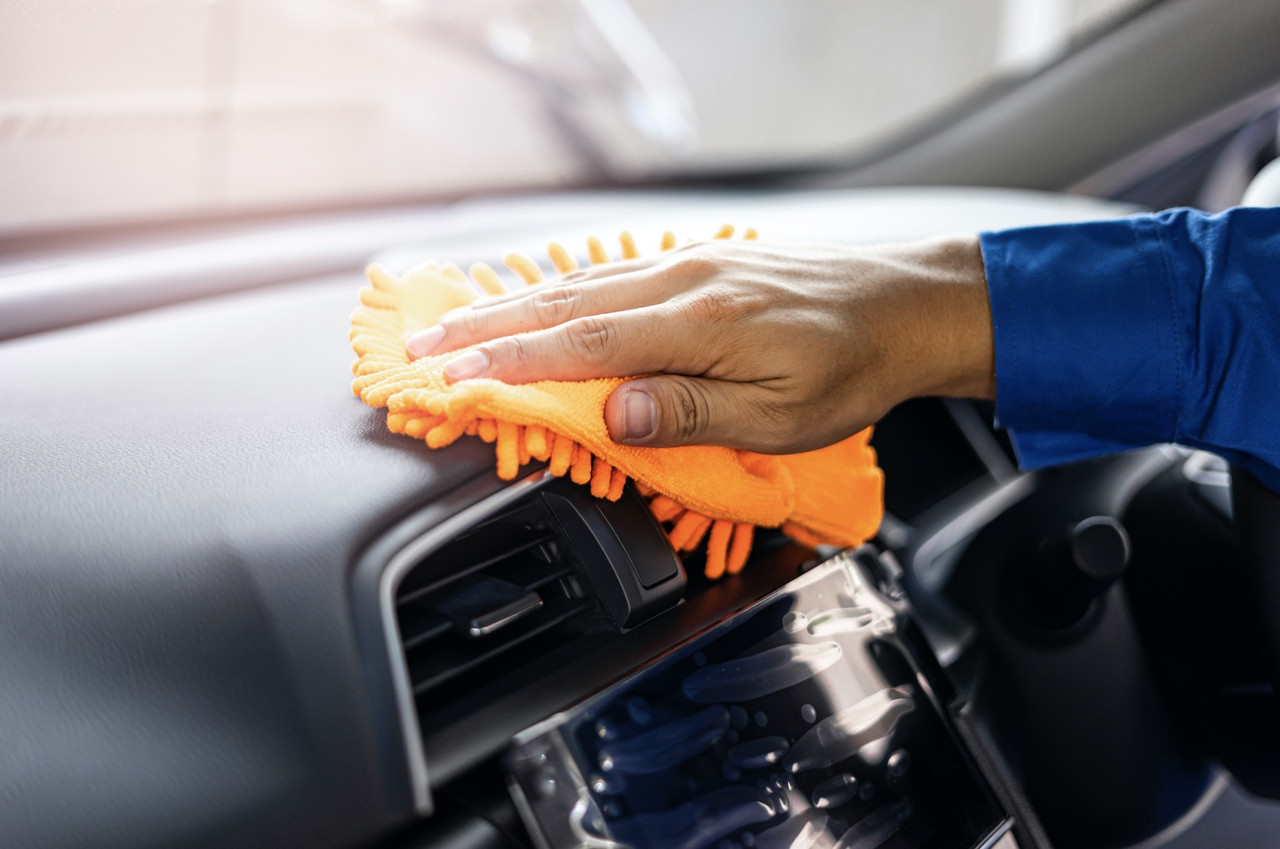
Dust repellent for car exterior surfaces creates a slick barrier that prevents particles from bonding to paintwork. These products reduce static charge and fill microscopic imperfections where dust typically settles. The result is a surface that stays cleaner longer and wipes down easily between washes.
Quality dust repellent sprays contain hydrophobic properties, causing water to bead and roll off while carrying dust away. This makes maintenance washes quicker and more effective.
Application Techniques for Long-Lasting Protection
For best results, apply dust repellent to cool, clean, and dry surfaces. Spray directly onto a microfibre cloth rather than the panel to avoid overspray on glass and trim. Work in straight lines with light pressure, then flip the cloth and buff to a streak-free finish.
Reapply every few weeks or after washing to maintain protection levels.
Best Practices for Australian Climate Conditions
Australia’s harsh sun and dusty conditions demand extra attention. Apply products during cooler parts of the day—early morning or late afternoon works best. The intense UV exposure means reapplication frequency may need increasing during summer months.
Consider using products specifically formulated for hot climates, as standard formulations may break down faster under Australian conditions.
Interior Detailing: Beyond the Basics
Deep Cleaning Leather and Fabric Surfaces
Leather requires gentle pH-balanced cleaners followed by conditioning to prevent cracking. Work cleaner into surfaces using a soft brush, then wipe away residue. Apply conditioner sparingly—too much creates a slippery, greasy feel.
For fabric seats, extract cleaning works wonders. Spray cleaner, agitate with a brush, then use a wet/dry vacuum to pull out dirt and moisture. This method removes stains that surface cleaning misses.
Tackling Stubborn Stains and Odours
Coffee spills, pet accidents, and mystery stains require targeted approaches. Enzyme-based cleaners break down organic matter effectively. For odours, don’t just mask them—eliminate the source. Steam cleaning penetrates deep into fabrics and kills odour-causing bacteria.
Protecting Dashboards and Trim from UV Damage
Australian sun destroys interior plastics rapidly. Apply UV-protective dressings to dashboards, door cards, and trim regularly. Choose matte finishes for a factory-fresh look—shiny dressings look unnatural and create distracting reflections.
Car Detailing Guides: Step-by-Step Workflows
The Professional Detailer’s Sequence
Car detailing supplies guides from professionals follow a consistent pattern: rinse, pre-wash with foam, wash using two-bucket method, rinse, decontaminate if needed, dry, polish, protect. This sequence ensures each step builds upon the last for optimal results.
Time-Saving Techniques Without Compromising Quality
Work smart by pre-treating wheels and tyres while foam dwells on paintwork. Use spray sealants that apply during drying to add protection without extra steps. Keep all products and tools organised and within reach.
Creating a Maintenance Schedule for Lasting Results
Weekly: Quick wash and dry. Fortnightly: Thorough wash with wheel cleaning. Monthly: Interior vacuum and wipe-down. Quarterly: Paint decontamination and protection top-up. Annually: Full detail including machine polish and fresh protection.
Troubleshooting Common Detailing Challenges
Swirl marks result from poor washing technique—switch to proper methods immediately. Water spots from mineral deposits require dedicated spot removers or light polishing. Oxidation and fading respond well to cutting compounds followed by polishing and protection.
Taking Your Detailing Skills Further
Mastering professional car detailing techniques transforms how you maintain your vehicle. We’ve covered everything from building your toolkit to tackling tricky problems. The key takeaways? Preparation matters more than expensive products, technique trumps elbow grease, and consistent maintenance beats occasional intensive sessions.
Your journey doesn’t end here. Practice these methods, experiment with different products, and don’t be afraid to make mistakes—that’s how learning happens. Join online communities where enthusiasts share tips and results. Consider attending detailing workshops if you’re serious about developing your skills further.
Whether you’re caring for a brand-new purchase or restoring an older vehicle’s shine, these techniques will serve you well. Start with the basics, build your confidence, and gradually tackle more advanced tasks. Your car deserves the best care you can give it—and now you’ve got the knowledge to deliver exactly that. Happy detailing!


 True Aussie Home
Leave a comment