


Have you ever wondered how to keep your commercial property secure without racking up massive electricity bills? What if you could harness Australia’s abundant sunshine to power your entire surveillance system? And wouldn’t it be brilliant to have security cameras that work reliably even in remote locations without access to mains power?
Solar powered security camera systems are changing the game for Australian businesses. From sprawling warehouse complexes to isolated mining sites, these clever systems offer a sustainable, cost-effective way to monitor your premises around the clock. They’re particularly suited to our sun-drenched country, where long daylight hours mean plenty of energy to keep your cameras rolling.
In this guide, we’ll walk you through everything you need to know about using solar security cameras effectively on commercial sites. You’ll discover how to choose the right system, position it for maximum efficiency, and maintain it for years of reliable service. Whether you’re protecting a construction site, retail premises, or agricultural property, these tips will help you get the most from your investment.
Understanding Solar Powered Security Camera Systems
How Do Solar Powered Security Cameras Work?
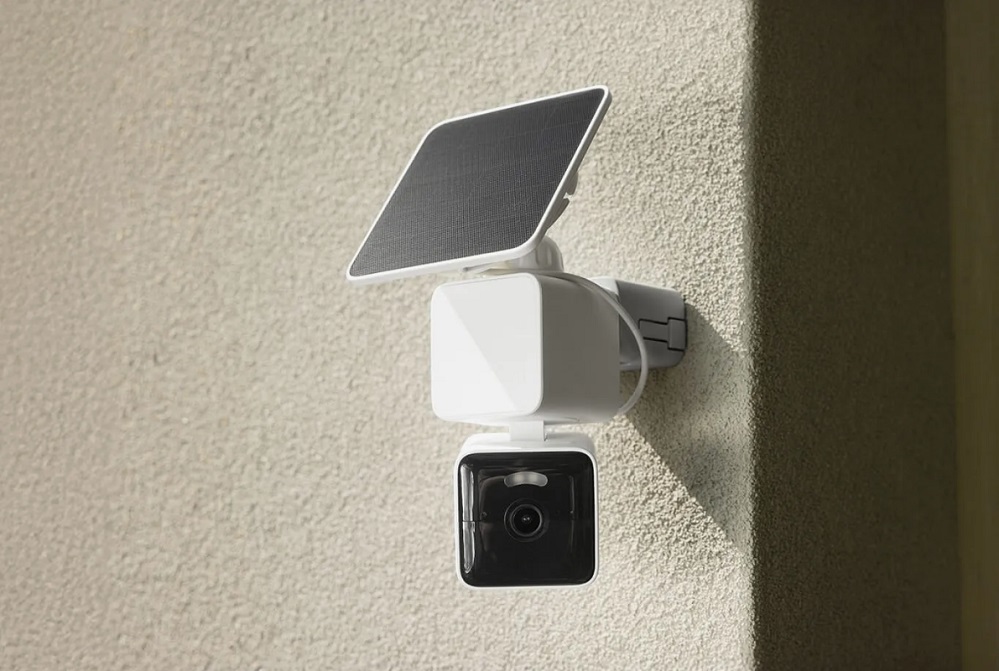
Solar security cameras operate on a straightforward principle. Solar panels capture sunlight and convert it into electrical energy, which then charges a battery. This battery powers your camera continuously, even when the sun goes down.
The system typically includes a charge controller that prevents overcharging and manages power distribution efficiently. During daylight hours, the panel generates more energy than the camera needs, storing the excess in the battery for nighttime operation.
Modern solar cameras are remarkably efficient. They’ve been designed to consume minimal power while delivering high-quality footage, making them ideal for locations where traditional power sources aren’t practical.
Key Components of a Solar Security Camera System
A complete solar security system comprises several essential elements. The solar panel itself is the heart of the operation, typically ranging from 5W to 20W for commercial-grade cameras. You’ll also need a rechargeable battery, usually lithium-ion, that stores enough power for several days of operation.
The camera unit includes features like motion detection, night vision, and video compression technology. Plus, there’s usually a wireless transmitter for sending footage to your monitoring system or cloud storage.
Don’t overlook the mounting hardware either. Quality brackets and poles ensure your equipment stays secure through harsh Australian weather conditions.
Are Solar Powered Security Cameras Any Good for Commercial Use?
Absolutely. Commercial-grade solar cameras have come a long way in recent years. They now offer resolution and reliability comparable to traditional wired systems, with the added benefit of flexible installation.
For businesses, the advantages are clear. No trenching for cables means faster installation and lower upfront costs. They’re perfect for temporary sites like construction projects or events. What’s more, they continue working during power outages when traditional systems fail.
The main consideration is ensuring you choose cameras specifically designed for commercial applications, not residential models that might struggle with heavy-duty demands.
Choosing the Right Solar Security Camera for Your Commercial Site
What to Look for in Commercial-Grade Solar Security Cameras
When selecting cameras for commercial use, prioritise build quality and weather resistance. Look for IP66 or IP67 ratings, which indicate the camera can handle dust, rain, and extreme temperatures common across Australia.
Battery capacity matters enormously. Aim for systems that can operate for at least five to seven days without sunlight—crucial during extended cloudy periods. Consider cameras with intelligent power management that reduces consumption during inactive periods.
Resolution should be at least 1080p for clear identification of individuals and vehicles. Night vision capability with a range of 10 metres or more ensures round-the-clock monitoring.
Best Solar Powered Security Camera Features for Australian Conditions
Australia’s climate presents unique challenges. High temperatures can affect battery performance, so look for cameras with thermal management systems. UV-resistant housings prevent degradation from our intense sunlight.
Wide-angle lenses help cover larger areas with fewer cameras—particularly useful for expansive commercial properties. Two-way audio allows you to communicate with visitors or deter intruders remotely.
Cloud storage options are valuable for Australian businesses, providing secure off-site backup of your footage. Local storage via SD cards offers a reliable backup when internet connectivity is unreliable.
Wireless vs Wired Solar Security Camera Systems: Which Is Better?
Wireless systems offer flexibility and faster installation. They’re ideal for temporary setups or sites where running cables is impractical. However, they rely on WiFi or mobile networks, which can be spotty in remote locations.
Wired solar systems—where the camera connects to recording equipment via cables but draws power from solar panels—offer more stable connections. They’re better suited to permanent installations where reliability is paramount.
For most commercial applications, wireless solar cameras strike the right balance between convenience and performance. Just ensure your site has adequate network coverage before committing.
Strategic Placement and Installation Tips
Where Should You Position Solar Panels for Maximum Efficiency?
In Australia, solar panels should face north to capture maximum sunlight throughout the day. Angle them between 20 and 35 degrees, depending on your latitude—steeper angles work better in southern states.
Avoid shaded areas at all costs. Even partial shading can dramatically reduce power generation. Survey your site throughout the day to identify potential obstructions like trees, buildings, or equipment that might cast shadows.
Mount panels high enough to prevent tampering or accidental damage. Consider adjustable mounting systems that allow you to fine-tune the angle seasonally for optimal performance.
Optimal Camera Angles for Comprehensive Coverage
Position cameras at entry points, loading docks, and high-value storage areas first. Mount them at heights of three to four metres for a good balance between coverage and image quality.
Angle cameras slightly downward to capture faces and number plates clearly. Avoid pointing them directly at bright light sources or reflective surfaces that could wash out your footage.
Create overlapping fields of view where possible. This eliminates blind spots and provides multiple angles of any incident, which can be invaluable for insurance claims or police investigations.
How Many Solar Security Cameras Do You Need for a Commercial Property?
The number depends on your site’s size, layout, and risk profile. As a starting point, plan for one camera per entry point, plus additional units covering parking areas, perimeters, and valuable assets.
Conduct a thorough site assessment before purchasing. Walk the property and note vulnerable areas, existing lighting, and potential camera mounting locations. Most commercial sites require between four and twelve cameras for adequate coverage.
Remember, it’s better to have slightly more cameras than you think you need. Gaps in coverage always seem to coincide with the exact spot where incidents occur.
Maximising Battery Life and Power Efficiency
Do Solar Security Cameras Work at Night?
Yes, they work brilliantly at night thanks to built-in batteries charged during daylight hours. Quality commercial cameras include infrared LEDs that provide clear black-and-white footage in complete darkness.
The key is ensuring your battery has sufficient capacity to power the camera through the night, especially during winter when nights are longer and days shorter. Most commercial systems are designed to handle this without issues.
Some advanced cameras feature colour night vision using low-light sensors, though these typically consume more power. Consider your specific needs when choosing between standard infrared and colour night vision options.
Tips for Extending Battery Performance in Low-Light Conditions
Configure motion-activated recording rather than continuous recording to conserve power. This approach can extend battery life significantly while still capturing all relevant activity.
Reduce recording resolution during periods of low activity, such as overnight when detailed footage is less critical. Many cameras allow scheduled quality adjustments automatically.
Position panels to catch morning sun, which helps replenish batteries depleted overnight. Regular cleaning—removing dust, bird droppings, and debris—ensures panels operate at peak efficiency.
Maintenance and Long-Term Care
How Often Should You Clean Solar Panels on Security Cameras?
Clean your solar panels at least monthly in dusty environments, or quarterly in cleaner locations. Australian dust storms, bird droppings, and pollen can reduce efficiency by up to 25% if left unchecked.
Use soft cloths or sponges with plain water—avoid harsh chemicals that might damage panel coatings. Early morning cleaning, when panels are cool, prevents thermal shock from cold water on hot surfaces.
Inspect panels during cleaning for any physical damage, loose connections, or corrosion. Catching problems early prevents expensive repairs or system failures down the track.
Seasonal Maintenance Checklist for Australian Climates
Before summer, check that all ventilation points are clear and batteries are in good condition to handle high temperatures. Verify that camera housings haven’t warped or cracked from UV exposure.
Heading into winter, adjust panel angles if your mounting system allows, maximising capture of lower-angle winter sunlight. Test backup power systems to ensure they’ll handle extended cloudy periods.
Year-round, keep vegetation trimmed away from cameras and panels. Update firmware regularly to maintain security and access new features. Document all maintenance activities for warranty purposes and compliance requirements.
Cost Considerations and Return on Investment
Are Solar Security Cameras Worth the Investment for Businesses?
For most commercial applications, solar cameras deliver excellent value. While upfront costs exceed basic wired systems, you’ll save substantially on installation—no electricians, no trenching, no mains power connections.
Operating costs are virtually zero compared to traditional systems that consume electricity continuously. Over a five-year period, solar systems typically cost 30-50% less than equivalent wired installations when you factor in energy savings.
The flexibility to relocate cameras as your needs change adds further value. You’re not locked into fixed positions, making solar systems particularly cost-effective for evolving commercial operations.
Securing Your Commercial Future with Solar Technology
Solar powered security camera systems represent a smart, sustainable choice for Australian businesses. They combine environmental responsibility with practical benefits—lower operating costs, installation flexibility, and reliable performance even during power outages.
Getting the most from your system comes down to thoughtful planning. Choose commercial-grade equipment suited to Australian conditions. Position panels for maximum sun exposure and cameras for comprehensive coverage. Maintain your system regularly, and it will serve you reliably for years.
The technology continues improving rapidly, with better batteries, smarter power management, and enhanced image quality arriving regularly. By investing in solar security now, you’re not just protecting your premises today—you’re future-proofing your commercial security for years to come. Ready to make the switch? Your business, your budget, and the environment will thank you for it.


 True Aussie Home
Leave a comment